
Returning to the hospital after discharge is undesirable, as it can be disruptive to your everyday life and very costly. It's unsettling when your condition doesn't get better once you go home, prompting you to go back to the hospital.



Returning to the hospital after discharge is undesirable, as it can be disruptive to your everyday life and very costly. It's unsettling when your condition doesn't get better once you go home, prompting you to go back to the hospital.
Topics: Inpatient Rehab
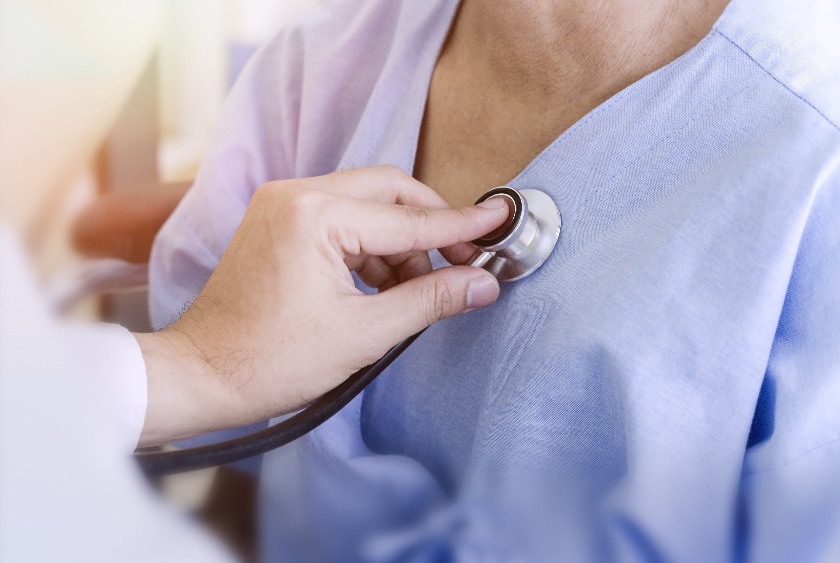
Hypertensive heart disease is the leading cause of death associated with high blood pressure. High blood pressure is a common condition in which the force of the blood pumping through the heart is elevated, causing the heart to work harder to pump blood out to the body. Risk factors for high blood pressure include genetics, obesity, older age, chronic kidney disease, stress, and dietary and lifestyle issues.
Topics: Inpatient Rehab, Cardiac Rehab

Thirty million people in the United States are living with chronic kidney disease. The condition, also known as chronic kidney failure, involves the progressive loss of kidney function. The kidneys usually filter waste and excess fluid from the blood; if they fail, waste and other fluids can build up in the bloodstream, causing severe illness and potentially death.
Topics: Inpatient Rehab
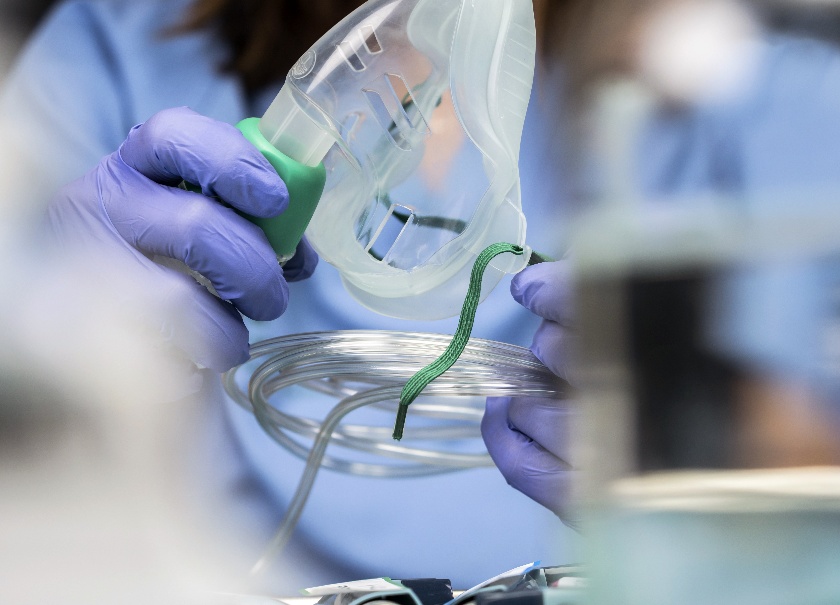
Breathing problems are a common symptom for people with COPD, and so are the hospitalizations and readmissions that often result from such alarming symptoms. However, hospital stays can be quite costly and disruptive to your life. Because of this, you likely try to avoid hospitalization whenever possible.
Topics: COPD, Inpatient Rehab

Sepsis is a potentially fatal condition, occurring when the body’s response to infection triggers full-system changes that can damage multiple organ systems. It can affect anyone but is most common (and dangerous) in older adults, pregnant women, babies, and those suffering from chronic conditions or weakened immune systems.
Topics: Inpatient Rehab

Transitioning home after a hospital stay may leave you feeling uncertain and fearful as you're left to face the rest of your recovery on your own. You’re on high alert for returning or new symptoms, especially because you lose accessibility to the type of immediate care available in the hospital. Readmission rates are also affected by the complexity of your condition and how well you comply with treatment.
Topics: Inpatient Rehab

It’s difficult to watch someone you care about suffer through a stroke, and the additional prospect of taking responsibility for their care can be overwhelming. However, with some preparation and advocacy, you can take some of the pressure off and make the best decisions to support your loved one’s recovery.
Topics: Stroke Rehabilitation

Rehab Select’s stroke rehabilitation program aims to promote evidence- and guideline-based care in order to maximize patient outcomes. By improving the organization, direction, and efficiency of care, we are able to support effective education delivery, patient transition, and discharge planning services while simultaneously reducing the cost of service.
Topics: Stroke Rehabilitation

An adverse drug event (ADE), according to the Office of Disease Prevention and Health Promotion, is “an injury resulting from medical intervention related to a drug. This includes medication errors, adverse drug reactions, allergic reactions, and overdoses.”
Topics: Inpatient Rehab, outpatient therapy

If you struggle with acute or chronic heart disease, your medical provider may refer you for cardiac rehabilitation. Cardiac rehab therapy can have substantial benefits, both in terms of improving your quality of life and reducing your risk of serious complications.
Topics: Cardiac Rehab
